
Holocaust Memorial Day
'The responsibility of remembrance doesn't end with the survivors.'

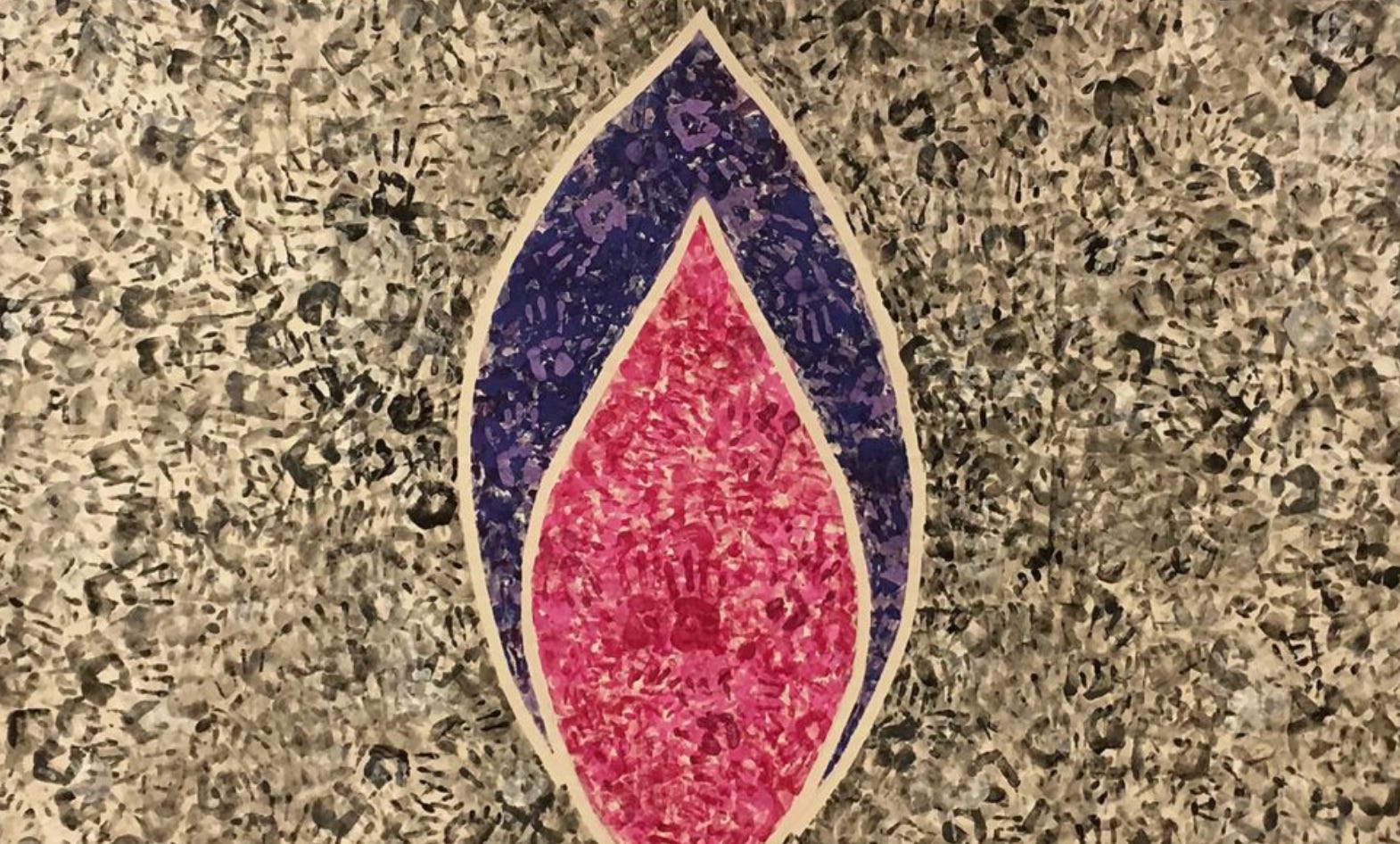
Today, 27 January, is Holocaust Memorial Day, and according to the Holocaust Memorial Day Trust, its chosen theme this year is Bridging Generations.
It is, the Trust says, a call to action — ‘a reminder that the responsibility of remembrance doesn't end with the survivors.’ The idea is to ‘build a bridge between memory and action, between history and hope for the future.’
All of which resonates powerfully with me, because it is very much at the heart of my forthcoming book And The Cello Came Too, which tells the story of my refugee parents from Nazi Germany, as well as the stories of their forebears and their descendants. (The book is due for publication in June, and I’ll be posting full details of how to buy it in due course.)
To its credit, the Holocaust Memorial Day Trust rightly brackets the history of the Nazi Holocaust, in which six million people were killed, overwhelmingly Jews, but including Roma, Sinti, Black people, disabled people and gays, with other, more recent genocides.
It references Cambodia, where between 1975 and 1979, the Khmer Rouge killed an estimated two million people; Rwanda, where in just 100 days in 1994 approximately a million Tutsis and moderate Hutus were murdered; Bosnia, where in July 1995, about 8,000 Muslim men and boys were murdered in Srebrenica; and Darfur, where between 2003 and 2005, at least 200,000 people were killed.
I have visited both the Tuol Sleng Genocide Museum in the Cambodian capital, Phnom Penh, and Srebrenica in Bosnia. I have seen close up what the aftermath of genocide looks like, and the memories will never leave me.
The Holocaust Memorial Day Trust says: ‘When we learn about the Holocaust and more recent genocides, we learn for a purpose: to challenge present-day discrimination and hostility … Identity-based persecution takes place on a daily basis, in all corners of the world.’
And to me, that’s the point about today: to recognise that it is not simply about acknowledging the horrors of the past, but also to recognise — and confront — the horrors of the present.
The slaughter of thousands of Yazidi people in Iraq and Syria at the hands of the Islamic State group in 2016; the appalling abuse suffered by Rohingya Muslims in Myanmar and of Uyghur Muslims in the Chinese province of Xinjiang.
So today I remember my maternal grandmother, Ilse Cohn, shot by a Nazi execution squad in Lithuania in 1941, and my paternal grandmother’s two cousins, Julius Philippson, who died in Auschwitz in 1943, and Julius Flesch, who died in the same camp two years later.
And I think of them every time I read of today’s victims of persecution and discrimination wherever, and whoever, they may be.
I hope you will too.
A very clear and apposite post. I too have written about my family from Germany: my father's family all fled Nazi Germany and most of them arrived from Frankfurt-am-Main 'just in time': on 31 July 1939. (See The Locked Safe: a family memoir 2024 Authorhouse). Once here in the UK they were not as safe as expected. In 1940, the 3 men - my father and his elder brother who had come from Dachau and their father - were all interned in Huyton, for almost 4 months. Then my father and his brother Ernst were sent to Ramsey on the Isle of Man where they lived behind barbed wire for another 6 months. And after that it was hard, as my father wrote to my mother, in 1941, to contribute to Hitler's overthrow. Nevertheless they succeeded and my sisters and I were born and brought up in Keighley, West Riding of Yorkshire.
There have been so many previous and now many new genocides that it is important not only to remember but also to oppose all the continuing genocides - in Gaza, and the West Bank, and now the start of Neo-fascism in the USA. We must protest and call out...
Thank you!